
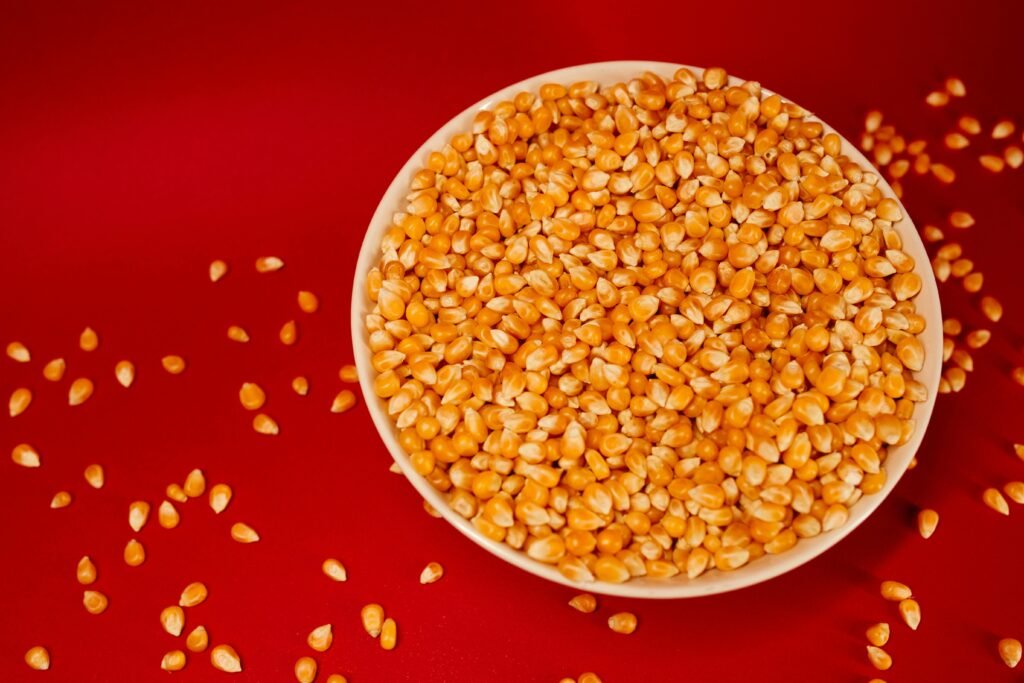
Corn, a staple in global diets from tortillas to cereals, raises questions about its safety for those with sensitivities. If you’re wondering are corn seeds a major food allergen, the short answer is no—corn isn’t classified as one of the “Big 9” major allergens by the FDA. However, it can trigger reactions in a small percentage of people, making it a hidden concern in processed foods.
This guide explores corn’s allergenic potential, symptoms, and management, weaving in supported keywords like corn allergy symptoms, corn allergy foods to avoid, corn allergy testing, corn allergy treatment, corn allergy in children, corn allergy vs intolerance, hidden corn allergens, corn derivatives in food, corn pollen allergy, and managing corn allergy to help you navigate dietary choices in 2025.
What Makes a Food a Major Allergen?
The FDA recognizes nine major food allergens—milk, eggs, fish, crustacean shellfish, tree nuts, peanuts, wheat, soybeans, and sesame—responsible for 90% of reactions, per 2025 FoodAllergy.org data.
These require clear labeling under the FASTER Act. Corn, despite its ubiquity, doesn’t meet the criteria due to rarity (affecting <1% of the population), but it’s gaining attention as a “hidden” allergen in derivatives like high-fructose corn syrup or cornstarch.
Are Corn Seeds Themselves Allergenic?
Are corn seeds a major food allergen? No, corn seeds (kernels) aren’t a major allergen, but they contain proteins like zein and LTP (lipid transfer protein) that can provoke IgE-mediated reactions in sensitive individuals.
A 2024 Thermo Fisher study identifies LTP as a key trigger, resistant to cooking, potentially causing symptoms in raw or processed forms. While not widespread, corn allergy impacts quality of life due to its pervasiveness.
Corn Allergy Symptoms: What to Watch For
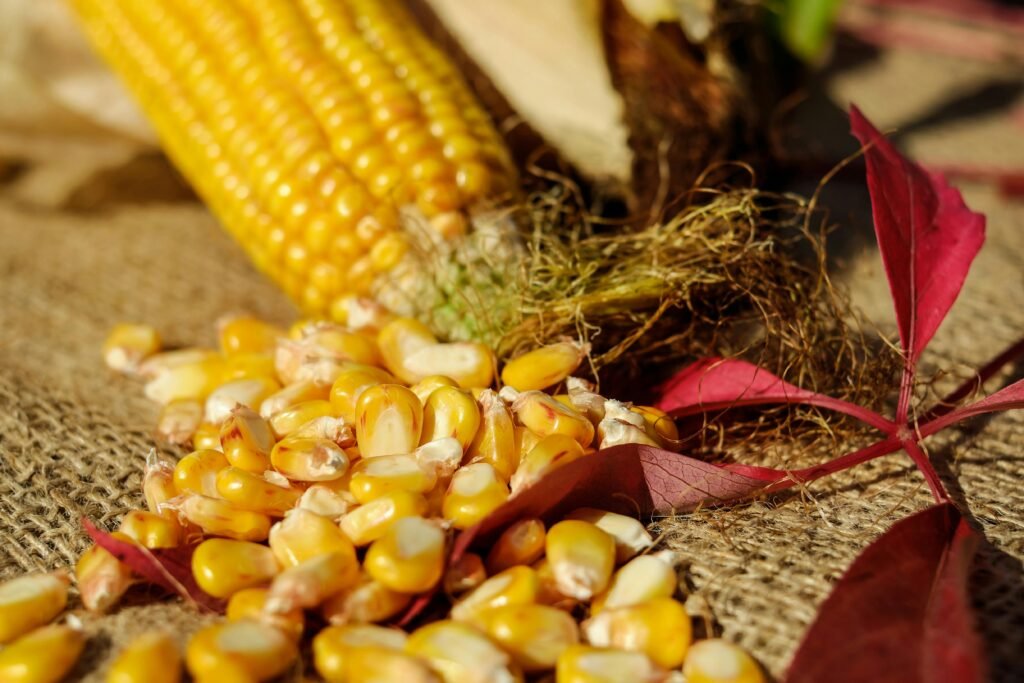
Corn allergy symptoms vary from mild to severe, often resembling other allergies. Common signs include:
- Skin reactions: Hives, itching, or eczema
- Gastrointestinal: Nausea, vomiting, diarrhea, or cramps
- Respiratory: Wheezing, runny nose, or corn pollen allergy during harvest season
- Severe: Anaphylaxis (swelling, difficulty breathing)
A 2023 Verywell Health report notes reactions can occur from inhaled corn dust or contact, not just ingestion. Corn allergy in children may mimic intolerance, with bloating or reflux.
Corn Allergy vs Intolerance: Key Differences
Corn allergy vs intolerance is crucial for diagnosis. Allergies involve IgE antibodies, causing rapid, potentially life-threatening reactions. Intolerance, like lactose issues, stems from digestive woes, leading to gas or bloating without immune involvement.
A 2025 WebMD analysis estimates 0.3–1% true allergies vs. higher intolerance rates from FODMAPs in corn.
Common Corn Allergy Foods to Avoid
Corn allergy foods to avoid extend beyond obvious items like corn on the cob. Hidden corn allergens lurk in:
- Processed foods: Cereals, snacks, and baked goods with cornstarch
- Corn derivatives in food: High-fructose corn syrup (sodas, candies), maltodextrin, or dextrose
- Beverages: Beer, sodas, and some juices
- Non-food: Cosmetics, medications, or paper products with corn starch
A 2024 Black & Kletz Allergy guide warns of cross-reactivity with latex or grasses, complicating avoidance.
Diagnosing Corn Allergy: Testing Options
If symptoms persist, seek corn allergy testing. Options include:
- Skin prick tests: Exposing skin to corn extract for wheal reactions
- Blood tests: Measuring IgE levels to corn proteins
- Oral food challenges: Supervised ingestion under medical watch
Per FoodAllergy.org, consult an allergist for accurate diagnosis, as self-testing kits are unreliable.
Corn Allergy Treatment and Management
Corn allergy treatment focuses on avoidance and preparedness:
- Epinephrine auto-injectors (EpiPen) for anaphylaxis risk
- Antihistamines for mild reactions
- Managing corn allergy: Read labels for corn derivatives in food; apps like Fig or AllergyEats help
- Immunotherapy: Emerging oral desensitization trials for 2025
For corn allergy in children, early intervention prevents growth issues from dietary restrictions.
Corn’s Role in Diets and Hidden Risks
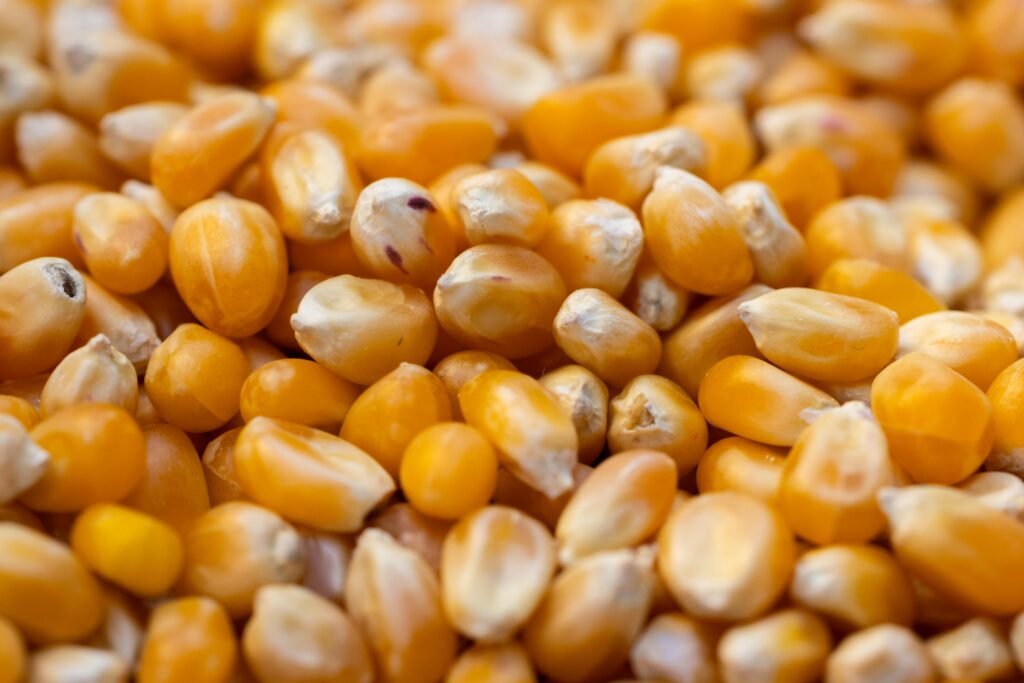
Corn’s versatility boosts economies but hides allergens. In 2025, with processed food rising, awareness of hidden corn allergens is vital. Unlike major allergens, corn’s lack of labeling leaves consumers vulnerable—advocates push for inclusion in the “Big 10.”
Tips for Safe Eating with Corn Sensitivity
- Shop perimeter aisles for fresh foods
- Use “corn-free” certified products
- For corn pollen allergy, avoid harvest seasons outdoors
- Build a support network via forums like Reddit’s r/CornAllergy
Conclusion
Are corn seeds a major food allergen? No, but their rarity doesn’t diminish real risks for those affected. From corn allergy symptoms like hives to navigating corn allergy foods to avoid and hidden corn allergens, awareness empowers safe living. With corn allergy testing and corn allergy treatment, management is achievable—consult experts for personalized plans.
In 2025, prioritize managing corn allergy for confident, allergen-free meals.
Stay informed, eat wisely, and thrive!
FAQs About Corn Allergies
Is corn considered a major allergen?
No, corn is not classified as a major allergen by the FDA, which lists nine major allergens (milk, eggs, fish, crustacean shellfish, tree nuts, peanuts, wheat, soybeans, sesame). However, corn can trigger reactions in some individuals, per 2025 FoodAllergy.org data.
Is corn a common allergy?
Corn allergies are uncommon, affecting less than 1% of the population, unlike major allergens like peanuts or milk, but reactions can be significant due to corn’s prevalence in processed foods, per 2024 allergy studies.
What are the 7 major food allergens?
The seven major food allergens recognized by the FDA are milk, eggs, fish, crustacean shellfish, tree nuts, peanuts, and wheat. Soybeans and sesame are also major allergens, making nine total, per 2025 regulations.
Can I eat corn during an allergy?
If you have a diagnosed corn allergy, avoid eating corn or its derivatives (e.g., cornstarch, high-fructose corn syrup) to prevent reactions like hives or anaphylaxis. Consult an allergist for personalized advice.